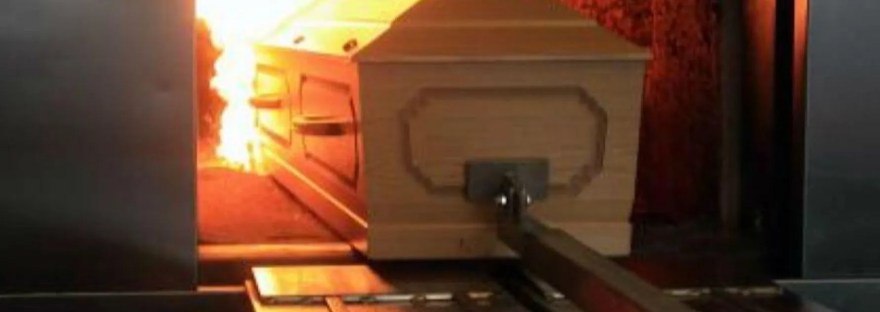
Cremation is a practice that has been in existence for centuries, with its roots deeply embedded in various cultures and religious traditions. In recent times, it has become an increasingly common choice for end-of-life arrangements. Cremation offers an alternative to traditional burials, providing families with an option that aligns with their cultural beliefs, environmental concerns, or personal preferences. In this guide, we will explore the cremation process in detail, offering a step-by-step overview of what takes place during cremation services in Delhi, India.
Cremation in Delhi: A Brief Overview
Cremation has a long history in India, and Delhi, being a diverse and culturally rich city, is no exception. Cremation practices in Delhi are deeply influenced by Hindu traditions, which are predominant in the region. However, Delhi is home to people of various religious and cultural backgrounds, so cremation services are offered to accommodate the diverse needs of its residents.
Step-by-Step Guide to the Cremation Process
Preparation of the Deceased
The cremation process begins with the careful preparation of the deceased. The body is usually wrapped in a shroud or placed in a wooden or bamboo casket, which may be adorned with flowers or other religious symbols, depending on the family’s customs and beliefs. In Hindu traditions, it is common to place a garland of flowers around the body.
Transportation to the Crematorium
The deceased is then transported to the crematorium. Delhi has several cremation grounds and crematoriums that cater to different communities and religions. Families typically choose a cremation facility that aligns with their cultural or religious preferences. The deceased is transported in a hearse or a special vehicle designated for this purpose.
Arrival at the Crematorium
Upon arrival at the crematorium, the family is often received by staff members who assist with the necessary paperwork and administrative procedures. This paperwork includes documentation required for the cremation process, such as permits and authorization from the family.
Rituals and Ceremonies
Before the cremation, family and friends may choose to perform religious or cultural rituals. These rituals can vary widely, depending on the deceased’s faith or cultural background. Hindu rituals, for example, often involve the recitation of prayers and the offering of various items like ghee (clarified butter), incense, and flowers.
Preparing the Pyre
In Delhi, traditional cremations typically take place on open-air pyres. The pyre is prepared using firewood, and it is the responsibility of the crematorium staff to ensure that it is properly constructed. The size of the pyre may vary depending on the age and gender of the deceased, as well as cultural preferences.

Placement on the Pyre
The body is carefully placed on the pyre, and additional rituals or ceremonies may be performed at this stage. In Hindu traditions, it is customary for the eldest son or another close family member to light the funeral pyre, symbolizing the release of the soul from the physical body.
Cremation
Once the pyre is prepared and the rituals are completed, the cremation process begins. The wood is ignited, and the body is consumed by the flames. The duration of the cremation can vary depending on factors such as the type and quantity of wood used and the age and health of the deceased. In some cases, the process may take several hours.
Collecting Ashes
After the cremation is complete, the ashes and bone fragments are carefully collected and processed. The remains are usually placed in an urn, which can be provided by the crematorium or chosen by the family. The family may also choose to conduct further rituals or ceremonies at this point.
Final Disposition
The final disposition of the cremated remains can vary. In Hindu traditions, it is common to scatter the ashes in a sacred river, such as the Yamuna River, which flows through Delhi. However, some families choose to preserve the ashes in an urn, bury them, or place them in a columbarium, depending on their personal beliefs and preferences.
Cremation Services in Delhi: Additional Considerations
Cremation Facilities
Delhi offers a range of cremation facilities, including traditional open-air cremation grounds and modern electric crematoriums. Families can choose the facility that best aligns with their cultural and religious practices.
Environment and Sustainability
Cremation can have environmental implications due to the emissions produced during the process. In response to environmental concerns, some crematoriums in Delhi have adopted more eco-friendly practices, including the use of cleaner technologies and electric cremation methods.
Cultural and Religious Diversity
Delhi’s diverse population means that cremation services accommodate a wide range of cultural and religious practices. Families should communicate their specific requirements to the crematorium staff to ensure that the process aligns with their beliefs and customs.
Grief Support
Cremation is a significant moment of transition for families, and they may experience grief and mourning differently. Cremation services in Delhi offers various resources for grief support, including counseling services and support groups to help individuals and families cope with their loss.
Conclusion
The cremation process in Delhi, India, is deeply rooted in cultural and religious traditions, making it a deeply meaningful and personal experience for families. It offers an alternative to traditional burial and provides individuals with the flexibility to choose the approach that best suits their beliefs and preferences. Understanding the cremation process, along with the cultural and environmental considerations, can help families make informed decisions during a challenging time. Cremation services in Delhi cater to the diverse needs of its residents, ensuring that the process aligns with individual customs and traditions. As the city continues to evolve and diversify, the cremation process remains an essential part of the final journey, providing a path to remember and honor the departed in a manner that respects their beliefs and values.

 Farewell Reflections