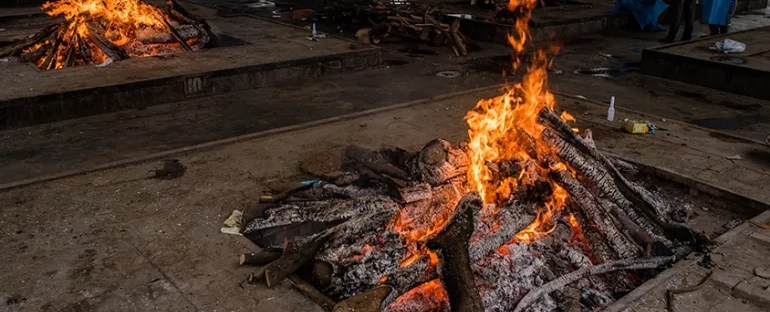
Cremation is a common method of disposition after death, but as environmental consciousness grows, there is an increasing demand for eco-friendly alternatives in the process. This article delves into the environmental considerations associated with traditional cremation and explores eco-friendly alternatives, with a specific focus on cremation services in Delhi.
Understanding Traditional Cremation and Its Environmental Impact
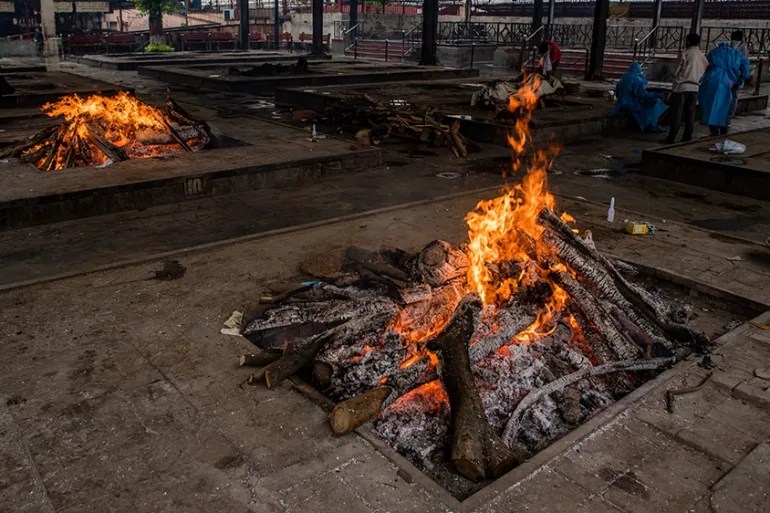
Traditional cremation involves the combustion of a deceased body at high temperatures, typically between 1,400 to 1,800 degrees Fahrenheit. While it is a widely accepted practice, it comes with environmental concerns.
Carbon Emissions: One of the primary environmental considerations in traditional cremation is the release of carbon dioxide (CO2) and other greenhouse gases into the atmosphere. The process contributes to air pollution and adds to the carbon footprint.
Energy Consumption: The high temperatures required for traditional cremation demand a substantial amount of energy, usually derived from fossil fuels. This raises concerns about resource depletion and adds to the environmental impact.
Mercury Emissions: Dental amalgams, which may contain mercury, can release this toxic substance into the air during cremation. Mercury emissions contribute to environmental pollution and pose health risks.
Eco-Friendly Alternatives to Traditional Cremation
Recognizing the environmental impact of traditional cremation, several eco-friendly alternatives have emerged. These alternatives aim to minimize carbon emissions, reduce energy consumption, and provide a more sustainable approach to the cremation process.
Water Cremation (Aquamation or Alkaline Hydrolysis):
Process: Water cremation involves the use of water, heat, and alkaline chemicals to accelerate the natural decomposition process. The body is placed in a chamber, and the combination of water and chemicals breaks down the organic matter.
Environmental Benefits: This method significantly reduces carbon emissions compared to traditional cremation. It uses less energy and does not involve the direct combustion of the body.
Natural Burial Pods:
Process: Natural burial pods, also known as biodegradable burial pods, allow for a more natural decomposition process. The deceased is placed in a biodegradable pod or container and buried in the soil.
Environmental Benefits: This method promotes the return of the body to the earth, contributing to soil health and biodiversity. It eliminates the need for embalming fluids and non-biodegradable caskets.
Promession:
Process: Promession is a relatively new concept that involves freeze-drying the body using liquid nitrogen. The frozen body is then vibrated into particles, and any metals, such as dental fillings, are separated.
Environmental Benefits: This process claims to be environmentally friendly, using less energy compared to traditional cremation and avoiding the release of harmful emissions.
Cryomation:
Process: Cryomation involves freezing the body with liquid nitrogen and then using vibration to break it into small particles. The remains are then freeze-dried.
Environmental Benefits: Similar to promession, cryomation aims to be energy-efficient and environmentally friendly. It reduces the environmental impact associated with traditional cremation methods.
Tree Pod Burial:
Process: In tree pod burial, the deceased is placed in a biodegradable pod that contains a tree seed. The pod is then buried, and the tree grows using nutrients from the decomposing body.
Environmental Benefits: This method combines burial with a positive environmental impact, as it contributes to afforestation and the reduction of carbon dioxide in the atmosphere.
Eco-Friendly Cremation Services in Delhi
In the bustling metropolis of Delhi, where environmental concerns are becoming increasingly significant, there is a growing interest in eco-friendly cremation services. Cremation Services in Delhi providers are embracing sustainable practices to cater to the environmentally conscious population.
Green Crematoriums:
Initiatives: Some crematoriums in Delhi are adopting green cremation practices, such as the use of cleaner fuels, energy-efficient equipment, and the promotion of eco-friendly urns.
Advantages: Green crematoriums aim to minimize their carbon footprint by incorporating sustainable technologies and practices into the cremation process.
Aquamation Facilities:
Availability: As the demand for eco-friendly alternatives rises, aquamation facilities are gaining traction in Delhi. These facilities offer water cremation services, providing a greener option for those seeking a more sustainable end-of-life solution.
Environmental Impact: Aquamation facilities contribute to reducing carbon emissions and energy consumption, aligning with the city’s commitment to environmental sustainability.
Biodegradable Urns and Containers:
Options: Funeral service providers in Delhi are offering a variety of biodegradable urns and containers made from materials such as recycled paper, clay, or plant fibers.
Benefits: Using biodegradable urns minimizes the environmental impact associated with traditional urns and contributes to the natural decomposition of the remains.
Educational Initiatives:
Awareness Programs: Cremation service providers in Delhi are initiating awareness programs to educate the public about the environmental impact of different cremation methods and the availability of eco-friendly alternatives.
Community Engagement: These programs aim to engage the community in discussions about sustainable end-of-life practices and empower individuals to make informed decisions.
Conclusion
As environmental consciousness grows, individuals are seeking eco-friendly alternatives to traditional cremation methods. In Delhi, cremation service providers are responding to this demand by offering sustainable options such as water cremation, natural burial pods, and tree pod burials. These initiatives align with the city’s commitment to environmental sustainability and provide individuals with choices that reflect their values. As the demand for eco-friendly cremation services continues to rise, Delhi stands at the forefront of embracing innovative and environmentally responsible end-of-life practices.

 Farewell Reflections